Daily Dish the Nugget Markets blog
Patisserie Plus
The season of sweetness has begun! Big batches of holiday cookies are one thing, but what about equally shareable éclairs, tarts, croissants, and petit fours? Whether you’re a wide-eyed beginner or a pastry pro, it’s time to bake it up a notch and impress with elevated, elegant eats worthy of wonder. Get started with the basics on these beautiful baked goods!
The season of sweetness has begun! Big batches of holiday cookies are one thing, but what about equally shareable éclairs, tarts, croissants, and petit fours? Whether you’re a wide-eyed beginner or a pastry pro, it’s time to bake it up a notch and impress with elevated, elegant eats worthy of wonder. Get started with the basics on these beautiful baked goods!
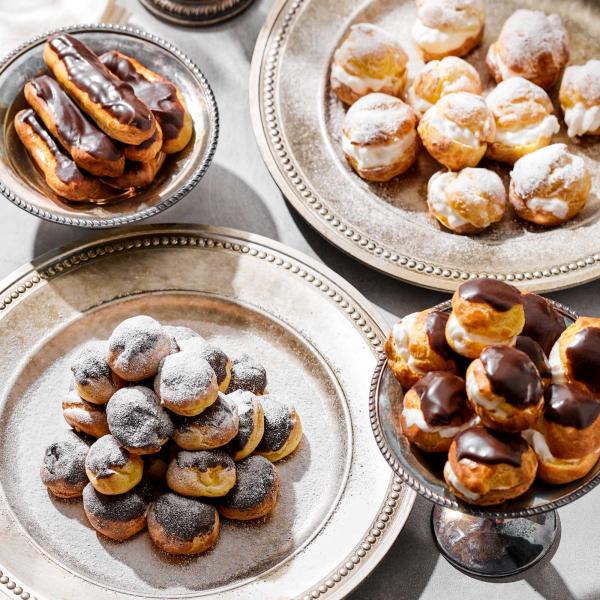
Pâte à Choux: Pronounced “paht ah shoe,” this is one French pastry that’s easier to make than you’d think. It’s also unique in that it’s kind of like a dough-batter and gets cooked on the stove before being piped and baked. This is because steam is essentially its leavener (what makes baked goods rise, or, in this case, puff up). Cooking it ensures it’s pipeable rather than too liquidy and perfects its elasticity so it can hold a shape. The shape you pipe your choux in depends on the recipe you’re making, such as éclairs, profiteroles, or gougères—the possibilities are truly endless!
Make your own with our Pâte à Choux recipe!
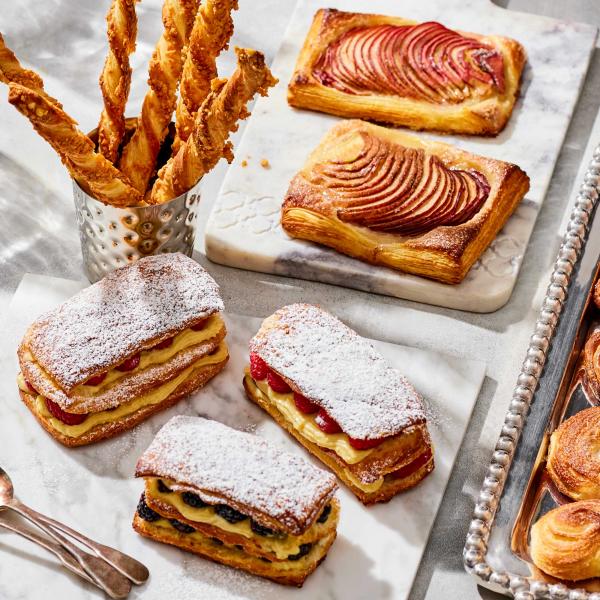
Puff Pastry: In all its light, thousand-layered, crunchy glory, puff pastry is delicate, versatile, and to many, intimidating. But it doesn’t have to be, especially if you know why you’re doing all that rolling and folding! The process is called lamination, which is what creates all the layers of butter and dough. If the butter is too firm, the dough will tear; if it’s too soft, it’ll squish out. So, make sure both dough and butter are the same level of cool, firm, and pliable. As the pastry bakes, the butter melts and creates steam, which makes the thin pastry layers rise. The lipids in the butter also essentially fry the dough, making it crispy and perfect for treats like napoleons, tartlets, twists, and more.
Make your own with our Puff Pastry recipe!
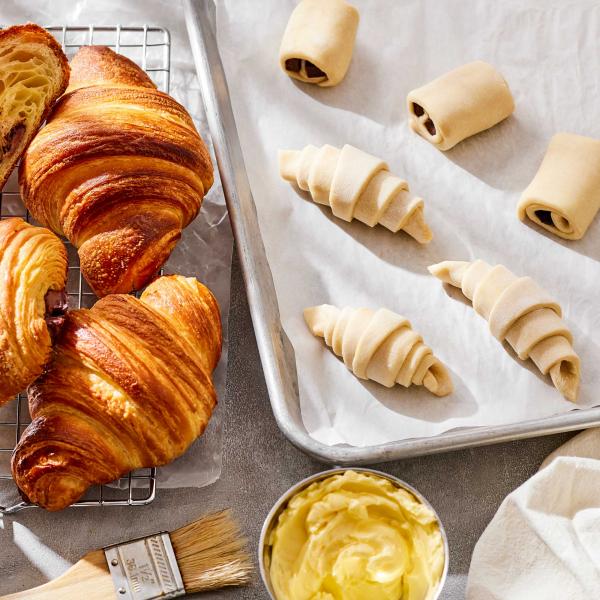
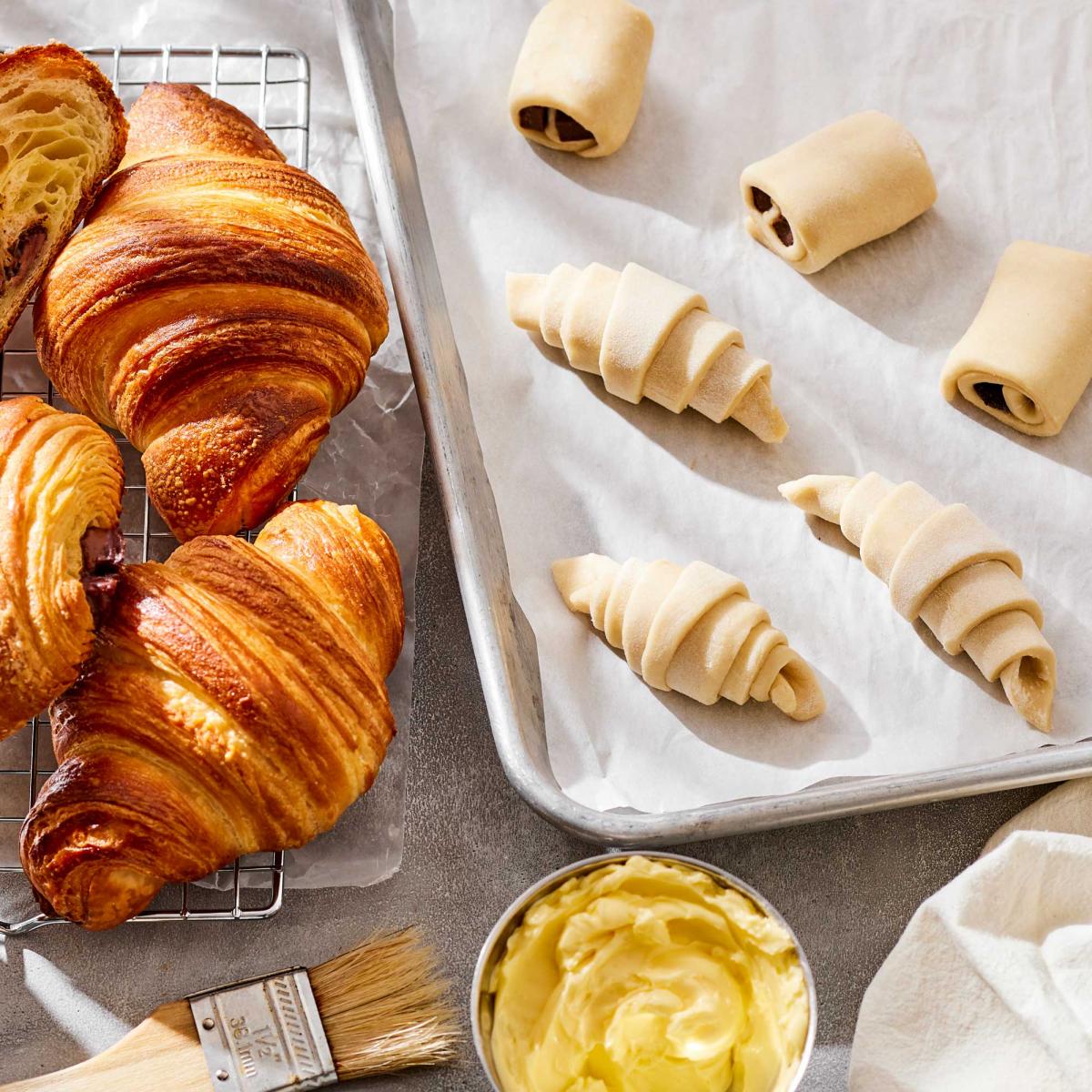
Laminated Dough with Yeast: What’s the difference between puff pastry and yeasted laminated dough? Great question! You already know what lamination is (see above), but this time it’s more like “turns.” The addition of yeast brings fermentation into play, giving the dough an airier, softer, less dry, and breadier texture and helps it double in size. (This means you can’t skip the resting periods, which help reduce shrinkage.) Yeasted laminated dough is also enriched, thanks to milk and sugar. Like with puff pastry, the trick is to keep it cool—literally and figuratively!
Get cooking with this Croissant & Pain au Chocolat recipe!
Marzipan: Marzipan is pure, concentrated almond goodness. It’s also malleable—sort of paste-like, sort of dough-like—meaning you can roll it out, cut it up, and shape it to your heart’s content. Though it’s a simple recipe, avoid overmixing in your food processor. Otherwise, the almond oils will be too expressed, resulting in more of a butter. For a flavor twist, add some drops of food-grade rosewater or orange blossom water for floral flair, or bit of liqueur for a boozy one. Marzipan marvelousness starts now!
Get cooking with our Marzipan recipe!
Now that you've got these basics down, explore all sorts of goodies you can make with them in our collection of bakery-style recipes. Here's to the sweet life!